To begin, focus on creating the perfect dough. A well-made dough is the foundation of any good cinnamon roll, and the right balance of ingredients ensures a soft texture.
Allow the yeast to fully activate before incorporating other ingredients, as this step is crucial for achieving a fluffy result.
While kneading, pay attention to the texture of the dough. It should be slightly sticky but not overly wet.
Adjust with small amounts of flour or milk as needed to reach the perfect consistency.
Rising the dough in a warm environment helps it double in size efficiently. Covering it properly prevents drying out, ensuring a moist and pliable dough for rolling later.
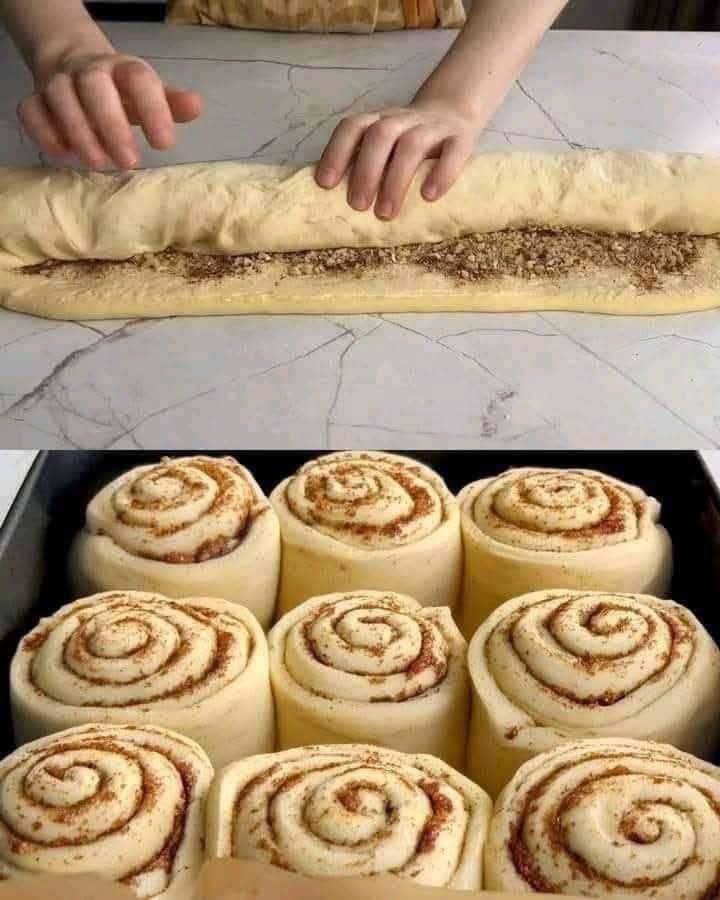
Rolling the dough evenly ensures uniform rolls. An even layer of filling guarantees every bite is flavorful. Use a light hand when spreading the butter and sprinkling the filling to avoid tearing the dough.
Cutting the rolls can be tricky; using dental floss instead of a knife ensures clean slices without squashing the dough.
Place the rolls with some space apart so they can rise properly during the second proofing.
The second rise is essential for soft and airy rolls. Skipping or shortening this step may result in dense rolls. Be patient, as the wait is well worth it.
While baking, keep an eye on the rolls in the oven. Overbaking can lead to dry rolls, so remove them as soon as they’re golden and fragrant.
The frosting is best prepared while the rolls cool slightly. Spreading the frosting on warm rolls allows it to melt slightly, creating a beautiful, glossy finish.
Storing leftover rolls properly ensures they remain soft and fresh for days. Reheating them in the microwave with a damp paper towel can bring back their just-baked texture.
Tips
Make sure your yeast is fresh and active; expired yeast can ruin the dough’s rise.
Warm, not hot, milk is crucial for activating yeast without killing it.
Use room-temperature ingredients to ensure the dough mixes evenly and rises properly.
If your kitchen is cold, create a warm environment for the dough by placing it in an oven with the light on.
Roll the dough tightly to keep the filling from spilling out, but not so tight that it compresses the dough.
Lining your baking dish with parchment paper can prevent sticking and make cleanup easier.
For an extra gooey center, pour a little heavy cream over the rolls before baking.
Customize the filling by adding a pinch of nutmeg or cardamom for additional warmth and flavor.
Double the frosting recipe if you love a thick layer of frosting on each roll.
Freeze unbaked rolls for later. Thaw and bake fresh when needed.
Conclusion